
Seniors Winter Wellness: Keep Older Pets Comfortable This Winter
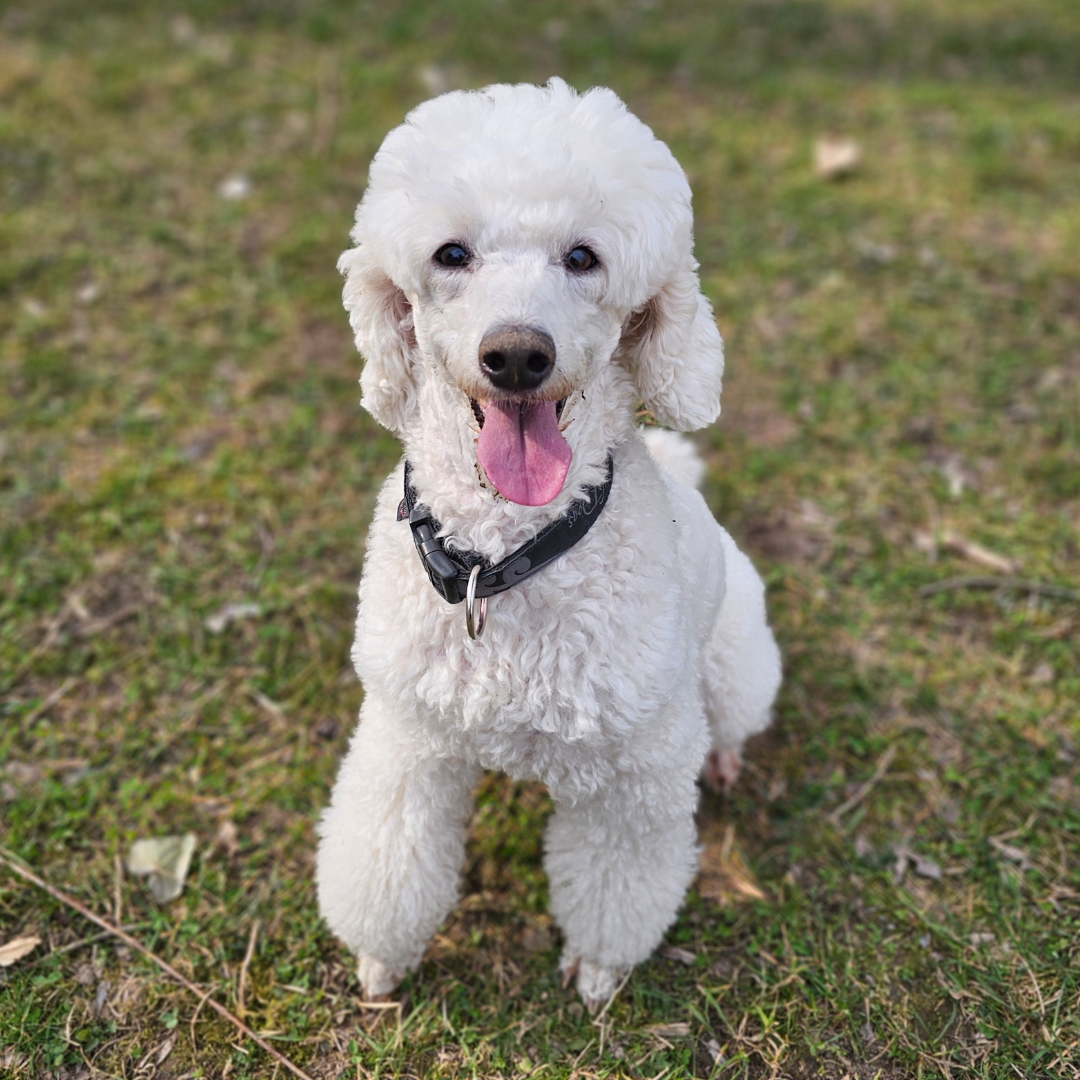
Winter can be particularly challenging for senior dogs and cats, with cooler temperatures often worsening stiffness, arthritis, mobility and underlying medical conditions.
The good news is that a few proactive steps can make a big difference! Winter is the ideal time to focus on your pet’s health, comfort and wellbeing so your golden oldie can continue to enjoy life well into their senior years.
Why Winter Can Be Harder on Senior Pets
Older pets often feel the cold more than younger animals, as ageing joints, reduced muscle mass, and slower circulation can make chilly mornings and cold nights uncomfortable.
Winter may also highlight existing health issues, such as:
Arthritis and joint pain
Reduced mobility
Weight gain from less activity
Kidney disease
Diabetes
Heart disease
Thyroid conditions
Cognitive decline
Since many of these conditions develop gradually, subtle signs can be easy to miss at home, which is why we recommend booking a wellness blood test.
The Benefits of Wellness Blood Testing for Senior Pets
Routine wellness blood testing is one of the most valuable ways to monitor your senior pet’s health, especially during winter.
Many age-related illnesses begin internally before obvious symptoms appear, and blood testing can help identify concerns early, often before your pet seems unwell.
Wellness blood testing may help detect:
Kidney disease
Liver disease
Diabetes
Thyroid disorders
Infection or inflammation
Anaemia
Changes in organ function
Early detection often means earlier treatment, better management and improved quality of life.
If your older pet seems to be slowing down with age, testing can help determine whether there is an underlying medical reason for this change in behaviour.
Notice Changes in Joint Health During Winter
Arthritis is extremely common in senior pets, and colder weather can exacerbate symptoms.
Signs your pet may be uncomfortable include:
Slower to get up
Hesitation with stairs or jumping
Limping or stiffness after rest
Sleeping more than usual
Reduced interest in walks or play
Supportive care may include weight management, joint supplements, pain relief, physiotherapy or tailored treatment plans from your vet.
Keep Your Senior Pets Comfortable This Winter
Here are some simple home changes you can implement to improve your pet’s comfort throughout winter:
Provide warm bedding
Place cosy bedding in a warm, draught-free area. Orthopaedic beds can be especially helpful for ageing joints.
Encourage gentle exercise
Regular movement helps keep joints mobile and muscles strong. Short, gentle walks are often better than one long, strenuous outing.
Monitor their diet
Extra weight places more pressure on ageing joints and can worsen many health conditions, so monitor their diet to maintain a healthy weight.
Keep on top of grooming
Long coats may need maintenance to stay clean and dry, and indoor cats require regular brushing.
Watch water intake
Some pets drink less water in winter. Ensure fresh water is always available and take note of any changes in thirst.
Signs Your Senior Pet Should See a Vet
We encourage you to book a check-up if you notice any of the following in your pet:
Increased stiffness
Weight loss or gain
Changes in appetite
Drinking more or less water
Lethargy
Coughing
Behaviour changes
Toileting accidents
Difficulty walking or jumping
Many of these signs are treatable, especially when addressed early.
Give Them Their Best Golden Years
Our pets bring so much love and companionship, and they deserve extra support as they age. Winter is the perfect time to schedule a health check and wellness blood test to help catch problems early and keep senior pets comfortable.
At Belconnen Vet Centre, we’re here to help your golden oldie stay happy, healthy and warm this winter. Contact our friendly team to book an appointment today.